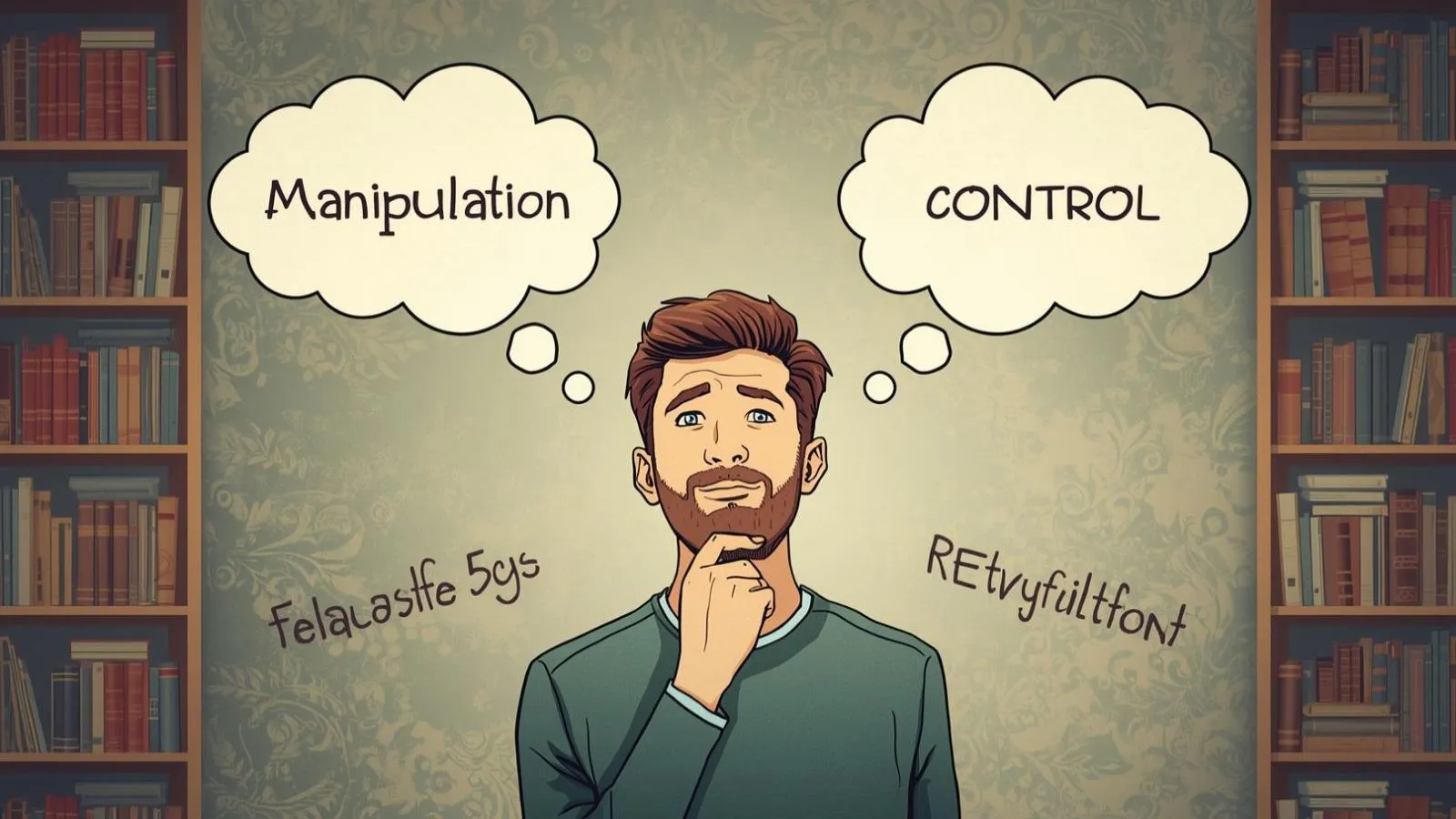
You tell your friend, “Don’t come to the party. It will be boring.”
They reply, “Nice reverse psychology.”
Now you pause. What does that mean?
Many people see this phrase in chats and feel confused. They search for reverse psychology meaning in text to understand it better.
It shows up a lot on WhatsApp, Instagram, and Snapchat. Friends use it in jokes. Couples use it in fun fights. Even siblings use it at home.
So what does it really mean? Let’s break it down in very simple words.
What Does “Reverse Psychology” Mean in Text?
Reverse psychology means telling someone the opposite of what you want so they will do what you want.
It is a trick.
You say “Don’t do it.”
But you actually want them to do it.
Full Form of “Reverse Psychology”
There is no full form of reverse psychology.
It is not short for anything.
It is a normal phrase.
The idea comes from basic psychology and behavior studies. It is often linked to ideas from people like Sigmund Freud, who studied how the human mind works.
How Is “Reverse Psychology” Used in Chat?
Here are some simple chat examples:
Example 1:
A: Don’t text him first. He won’t reply anyway.
B: Stop using reverse psychology on me.
Example 2:
A: You probably can’t beat me in this game.
B: Oh wow. Reverse psychology?
Example 3:
Mom: Don’t clean your room. I like the mess.
Kid: Nice try. Reverse psychology!
It is mostly playful and fun.
What Does “Reverse Psychology” Mean From a Girl / Boy?
It depends on tone.
If a girl says it:
- It may be playful.
- She may be teasing you.
- She may know you are trying to trick her.
If a boy says it:
- It can be joking.
- It can be competitive.
- It can show he sees your trick.
Most of the time, it is light and fun.
Not serious.
Is “Reverse Psychology” Rude or Polite?
It is usually not rude.
It is casual and playful.
But it can sound rude if:
- You use it in an argument.
- You say it in an angry tone.
- You accuse someone in a serious talk.
Tone matters a lot.
When Should You Use “Reverse Psychology”?
Use it in:
- Friendly chats
- Playful teasing
- Games with friends
- Fun family moments
- Casual texting
It works best in relaxed talks.
When Should You NOT Use “Reverse Psychology”?
Do not use it in:
- Job interviews
- Work emails
- Serious discussions
- Talks with teachers
- Formal messages
It sounds too casual for serious settings.
Best Replies to “Reverse Psychology”
Here are simple replies you can use:
- Haha maybe
- You caught me
- Just kidding
- Or am I
- Maybe I am testing you
Keep it light and fun.
“Reverse Psychology” Meaning on WhatsApp, Instagram, Snapchat
The meaning stays the same on:
- Snapchat
It always means someone is trying to make you do something by saying the opposite.
The platform does not change the meaning.
Similar Slang Words Like “Reverse Psychology”
Here are related slang ideas:
- Mind games – Playing with someone’s thoughts.
- Manipulation – Trying to control someone.
- Gaslighting – Making someone doubt themselves.
- Baiting – Trying to trigger someone.
- Playing hard to get – Acting uninterested to gain interest.
Each one is about influence or control in some way.
FAQs About “Reverse Psychology”
1. Is reverse psychology positive or negative?
It can be both. It depends on intent and tone.
2. Is it safe to use with elders?
Only in a very light and playful way.
3. Is it common in daily chat?
Yes. Very common in casual texting.
4. Does it mean lying?
Not exactly. It means saying the opposite on purpose.
5. Is it used in relationships?
Yes. Couples use it in teasing and playful talks.
Conclusion
Now you know the full reverse psychology meaning in text.
It means saying the opposite of what you want so the other person does what you want.
It is playful.
It is casual.
It works best with friends.
Use it in fun chats.
Avoid it in serious talks.
Now you can understand it and use it the right way.
Want to learn more slang meanings? Keep exploring and grow your chat skills.

Sally Rooney is a renowned young American author known for exploring modern love, relationships, and emotions. On Anniwish.com, her inspiring stories offer readers simple, authentic, and heartfelt storytelling experiences that deeply connect with today’s generation.